 UPLOAD A FILE
 REQUEST A QUOTE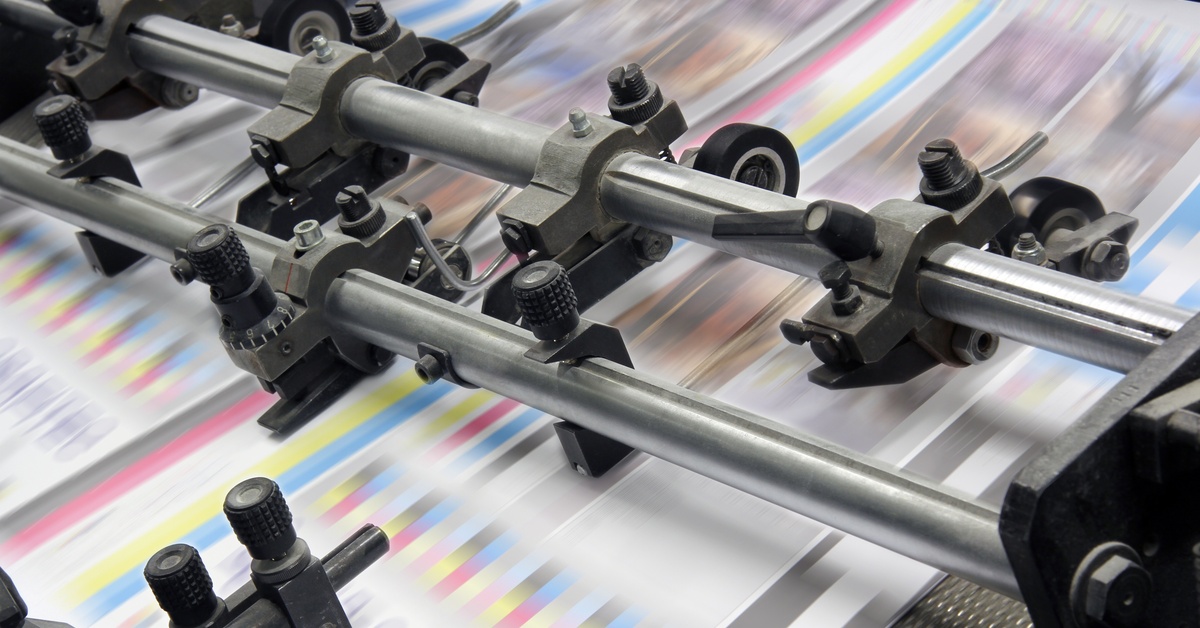
When you’re planning a marketing campaign, trade show, or event, the printing method you choose plays a bigger role than many teams expect. It affects how your brand looks, how clearly your message lands, and how smoothly production moves. Should you go with digital or large-format printing? What’s the real difference between them?
Understanding how they compare helps you make smarter decisions upfront. It reduces last-minute changes, keeps timelines on track, and ensures you design your materials to fit your exact needs. We’ll teach you how each option works, where it fits best, and how to choose the right approach for your goals, audience, and deadlines.
What Digital Printing Is Best Suited For
Digital printing produces materials directly from a digital file, without the need for printing plates. That streamlined setup supports fast production, consistent results, and easy updates throughout a campaign.
Because there’s minimal preparation time, digital printing works well for short runs and quick turnarounds. Content can be adjusted between print runs without slowing the schedule. That flexibility is especially useful when messaging changes or approvals come in late.
Digital printing also supports Variable Data Printing (VDP), which allows text or images to change from piece to piece. This makes it possible to personalize materials for direct mail, events, or targeted outreach without sacrificing efficiency.
Common Uses for Digital Printing
Digital printing is ideal for pieces that are viewed up close and handled frequently. It delivers clean details and reliable colors for everyday business and marketing needs.
Typical applications include:
- Brochures, flyers, and sell sheets
- Business cards and stationery
- Presentation folders and pitch books
- Short-run direct mail and personalized campaigns
For projects that require speed and adaptability, digital printing keeps production efficient while maintaining a professional finish.
What Large-Format Printing Is Best Suited For
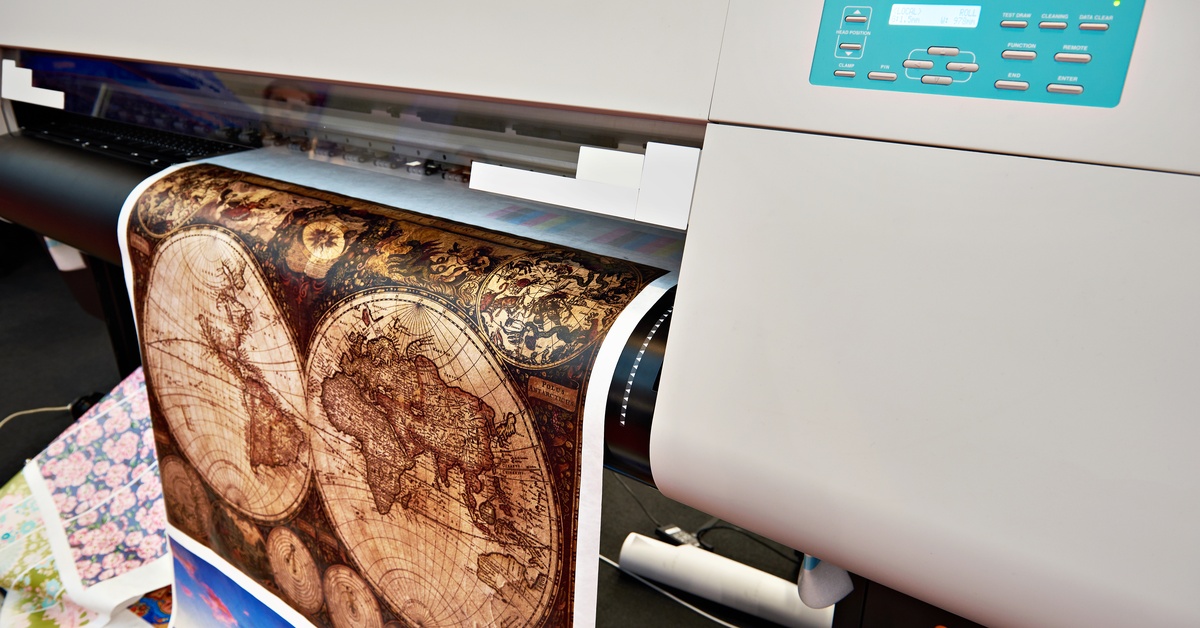
Large-format printing is designed for oversized graphics that need to stand out in busy, visual environments. These prints are produced on wide-format equipment and use materials built for display rather than hand distribution.
The priority with large-format printing is visibility. Graphics are meant to be read from a distance and remain consistent under lighting, foot traffic, and repeated use. Material choice plays a major role in how well the final piece performs.
Although large-format printing also relies on digital files, its purpose differs from standard digital jobs. The focus is on bold impact and presence within physical spaces.
Common Uses for Large-Format Printing
Large-format printing supports branding, navigation, and visual storytelling. It’s most effective when graphics need to guide attention or anchor an environment.
Typical applications include:
- Banners, posters, and event signage
- Trade show backdrops and booth graphics
- Wall murals, window graphics, and floor decals
- Directional signage for conferences and venues
These pieces help define spaces and reinforce brand identity at scale.
How Size and Scale Affect Print Choices
Size is one of the clearest differences between digital and large-format printing. Digital printing typically handles standard paper sizes, while large-format printing extends well beyond those dimensions.
Digital prints are designed for close viewing, where fine text and detail matter most. Large-format graphics prioritize readability and color strength from a distance. Designs are often simplified to ensure messages stay clear at scale.
Choosing the wrong size for a message can dilute its impact. Thinking about scale early helps prevent redesigns and production delays later.
How Materials and Finishes Differ
Digital printing commonly uses paper-based materials with a range of weights and coatings. These finishes support mailing, handling, and everyday distribution while maintaining a polished look.
Large-format printing introduces a broader mix of substrates. Vinyl, fabric, foam board, and rigid panels are selected based on durability and display conditions. Each option performs differently depending on where and how it’s used.
Matching materials to real-world use ensures prints hold up and look intentional. Guidance during this step often saves time and money down the line.
How Turnaround Timelines Typically Compare
Digital printing is known for rapid turnaround. Files move quickly from approval to production, making it a strong option for tight timelines or same-day needs.
Large-format printing also benefits from efficient digital workflows, but timelines vary depending on materials, finishing, and installation requirements. Some projects need additional lead time to ensure everything is ready on-site.
Both methods can support deadline-driven projects when planned correctly. The difference lies in the complexity of production, not just the printing process itself.
How Quality and Precision Show Up Differently
Quality matters in both methods, but it shows up in distinct ways. Digital printing emphasizes sharp text, smooth color transitions, and consistency across multiple pieces.
Large-format printing focuses on color strength, alignment, and durability. Graphics need to remain clear from a distance and maintain their appearance over time.
When weighing large format vs. digital printing, it’s more than choosing the option that produces the highest-quality materials. It’s about selecting the type of precision that fits the job.
How Cost Considerations Usually Break Down
Digital printing is often cost-effective for short runs and smaller quantities. Printing only what you need helps reduce waste and storage concerns.
Large-format printing can involve higher material and finishing costs. However, these pieces often deliver value through visibility, reuse, and long-term brand exposure.
Budget decisions work best when cost is weighed against purpose. A single high-impact graphic can sometimes do more work than a large stack of handouts.
How To Choose the Right Printing Approach
The best choice depends on how your audience will interact with the printed piece. Consider viewing distance, the environment, and how long the material needs to last.
Digital printing supports fast-moving campaigns that require flexibility and close-up engagement. Large-format printing supports branding that must stand out in crowded or high-traffic spaces.
Many projects benefit from using both. Coordinated collateral and signage create a cohesive experience, whether you’re producing brochures or planning large digital printing for event graphics.
Why Working With Professional Printers Makes a Difference
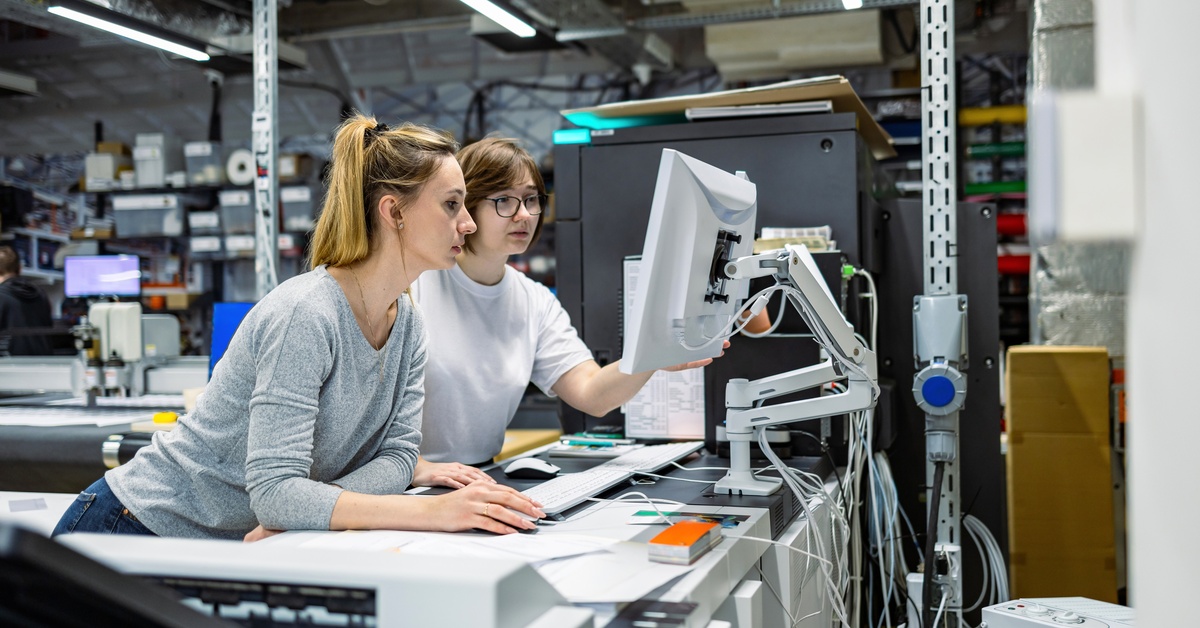
Print projects often involve more variables than expected. File setup, color management, materials, and finishing all influence the final outcome.
Working with an expert printing service helps avoid production issues and ensures materials perform as intended. Their guidance is especially valuable for multi-piece campaigns or time-sensitive projects.
With the right support, printing becomes a strategic part of your marketing execution rather than a last-minute task.
Make Confident Print Decisions for Your Next Project
Knowing how digital and large-format printing differ gives you more control over results. Each method serves a specific role in supporting visibility, clarity, and brand consistency.
When print formats match their environment, materials work harder and look more intentional. From precision-printed collateral to attention-grabbing graphics, the right approach strengthens both engagement and credibility.
If you’re planning a campaign, trade show, or event and need help choosing between digital and large-format printing, Boston Business Printing offers expert consultation, rapid turnaround, and precision production. Contact the team to request a quote or discuss digital and large-format printing solutions that keep your project on time, every time.